Posted on

Core training not just for your abs, improve your sitting posture, prevent back pain by Physiotherapy Winnipeg

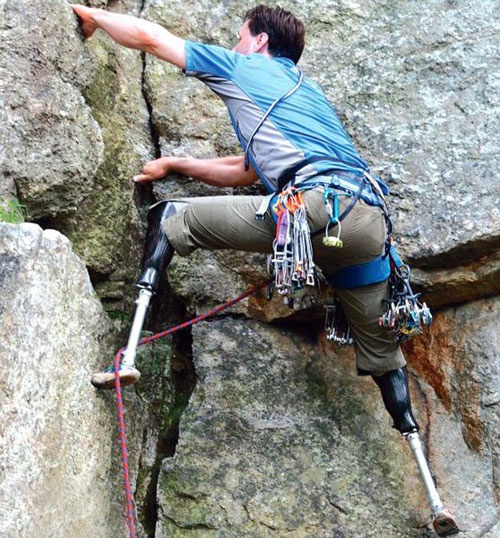
We’ve all heard physios, chiros, docs and fitness experts claim that core training is important for overall fitness and health. Health clubs offer core training exercise groups and physiotherapists recommend it for those recovering from spinal injury. Your core is the collection of muscles that stabilize the spine, this includes the hips, pelvis, abdominals, lower back, mid-back, and neck regions of the body. These muscles are extremely important in all sports, so why do so many ‘office athletes’ that basically sit for a living overlook core training?

The reason most people skimp on this vital part of their workout is because the benefits are simply overlooked.

Benefits of core training:

It’s important to note that performing a few crunches is not proper core training. As a matter of fact, I recommend that these be avoided for much of a lower back stabilization program. We simply just do not need any more ‘flexion’ in our daily routine; you sit most of your day!

Since your core involves many different muscles groups, a variety of exercises are needed to ensure you work them all; some exercises to explore include, but are not limited to, lunges, bridges, planks, and crunches. Every patient learns how to properly stretch their hip flexors, the ‘culprit’ muscle that usually guards when the ligaments are sprained in the lower back.

Pilates and Yoga classes are also excellent for strengthening your core muscles while also improving balance and posture. Check out Pilates Manitoba as they are offering 50% off their introductory classes for first-time participants.
When your core is strong, your whole body works better. Core training isn’t just for athletes, it’s for anyone who would like to have their body working at its greatest potential. For anyone just starting an exercise program, be sure to talk to yourPhysio first.

Posted on

Winnipeg, have you heard? Sitting is bad for you…solutions by Physiotherapy Winnipeg, yourPhysio.com

Winnipeg, by now you know you probably know that sitting down all day is terrible for you. As computer hardware and software accelerate the ‘web 3.0’, we can do more than ever before from a sitting position. Ergonomics is no longer a foreign word, and our ‘core’ exercises need to be performed everyday!

Who needs scientists to tell you that sitting for even one hour causes the production of fat-burning enzymes to decline a whopping 90%, or that more than four hours of desk time each day raises your risk of a heart attack by more than 100%?

You can feel exactly how crappy sitting all day makes you feel at the end of each workday; though you may be shocked to learn that being a regular gym-goer doesn’t protect you from the harmful effects of all that sitting. Standing up more is scientifically proven to have huge health benefits, but in our digital world it’s not as simple as it sounds. Here’s how to make the switch to an upright workday.

Try the latest DIY option, I have had so many patients describe their attempts at raising their work surface by box, crate, home-made devices, etc. I’m sure you could find the latest ‘how-to-video’ on YouTube to get an idea as to how to produce something for your workstation. Ergonomic clients of yourPhysio.com have purchased electronic and hydraulic ‘sit-stand’ workstations to allow their employees the postural variety that may be necessary for back pain, hip strains or knee sprains. These rehabs require movement throughout the day, and consistent changes in posture is a great place to start.

Invest in an ‘anti-fatigue’ mat, change your shoes every 6-8 months or try an over-the-counter orthotic to replace those worn insoles. You may require a doctor’s note to have orthotics covered by your insurance plan, but it is an employment benefit; so benefit!

Tweak your ergonomics, hire an ergonomic consultant for an hour and learn the proper way, not only how to sit, but how to perform your job so that it will not cause pain. Ask questions about posture, exercise and equipment available to make any task easier and less painful.

Posted on

Steroid injections for back pain can lead to bone loss, beware those with elbow pain, chronic pain, use Physiotherapy Winnipeg

Lately, many patients with chronic pain, including those with back pain, shoulder rotator cuff pain, elbow tendinitis pain or other chronic pain, have been asked by their family doctors ‘if they would prefer corticosteroid injections to physiotherapy?’

A Henry Ford Hospital, in Washington, D.C., study ( http://t.co/W3gj4dJt ) has found that postmenopausal women suffered significant bone density loss in their hip after they were treated with an epidural steroid injection for back pain relief.

Bone density loss after six months was six times greater when compared to the typical bone density loss seen in a year in a postmenopausal woman who doesn’t receive steroid injection, researchers said.

Shlomo Mandel, M.D., an orthopedic physician and the study’s lead author, said physicians should exercise caution prescribing an epidural steroid for select patients, suggesting that multiple injections may compromise bone strength.

“The findings of our study suggest that epidural steroid injections for back pain relief should be approached cautiously in patients at risk for bone fragility,” Dr. Mandel said.

“Physicians who do prescribe them should consider measures that optimize bone health such as calcium and vitamin D supplements and exercise as part of their patient’s treatment plan,” he added.

Back pain is one of the most common medical conditions in the United States, affecting 8 out of 10 people at some point during their lives. As people age, their spine ages with them, causing degenerative changes in the spine.

Patients are typically treated with anti-inflammatory drugs and physical therapy. If symptoms persist, an epidural steroid is often prescribed to alleviate pain and improve function. However, steroid use has been linked to diminished bone quality.

There has always been the link, and the questions concerning steroid injection and tendon or bone deterioration. One of the more famous cases was that of Joe Montana, Hall of Fame NFL quarterback and his elbow tendon rupture following multiple injections. Now there are not many of us that perform at this level, but chronic pain of any type can be debilitating and life altering. Please know your options and be aware of all the side effects associated with longterm medications; the list of side effects may outweigh any medical advantage.

If you are considering steroid injection as a form of treatment; ask your doctor about his/her experience in delivering such a treatment option. An orthopedic surgeon or experienced sportsmedicine doctor would be a wise choice.

Your Physiotherapist should be able to address your concerns about such a treatment option, and he/she should be able to provide treatment relevant to your pain trigger points and the appropriate exercise to assist in your longterm rehab.

Posted on

How people choose a Physio, a Doctor, a Chiro, in Winnipeg…for back pain, for health advice, for whiplash

Thanks again to my fellow members at the Winnipeg Executives Association, for the positive feedback and referrals following my 2012 Business Profile presentation; How do you choose your Healthcare Providers? Based on the US pre-election survey by INC magazine…

In reverse order of importance, the top five were:

#5 a great Receptionist.

Oooops, if you have been to my clinical location in the formerly TD Centre, at Portage & Main, you would know that I have been a ‘sole proprietor’ since 1991. Clients know that when they call for an appointment or have any kind of question, that they are going to speak directly with me, the Physiotherapist. Whether it be by phone, text, email or video-chat; I do not hesitate to educate you on the spot and answer the greatest concern in real-time!

#4 your Insurance Coverage.

In Manitoba, you do not need a doctor’s referral to see a Physiotherapist. But, you may need one to be covered by your particular insurance coverage. Manitoba Health only covers physiotherapy treatment if obtained in hospital, and WCB, and MPI, only cover a specific number of treatment sessions. So, beware of your coverage and be proactive in your rehab!

I DO direct bill to most insurance plans, if they do allow this to occur as some plans prefer that the client do it by mail or online, such as Sun Life or ManuLife. Healthcare Spending Accounts are becoming more of the norm with ‘flex’ benefit plans. These accounts are excellent ways to be proactive in your health plan by applying these funds to ergonomic assessment or exercise programs.

Like some other providers, I typically do NOT charge for ‘tray fees’, ‘chart maintenance’, exercise tubing or even for Doctor’s notes.

#3 convenient Parking.

Well…again, we are located in Downtown Winnipeg’s most secure parking complex; the Exchange District Parkade, off Albert Street at #35…my entry is at ground level, directly across from Winnipeg’s best kept secret, parking meters inside a parkade entrance.

#2 convenient Office Hours.

For the approximate 60,000 people working within a 5 minute walk of Portage & Main, the most requested appointment time is between 10am and 2pm, with a normal treatment day from 845am to 530pm in the clinical location.

My research begins at the home office, and ergonomic assessments take me onsite to clients’ work places; from garbage trucks to police cruisers, from bus depots to gold mines, from military helicopters to postal distribution centres, from bank tellers to executive offices, from lumber plants to product warehouses, from grocery clerks to sports professionals, from grain elevators to your cottage kitchen…I’ve worked the day and night shifts, and experienced a huge variety of task conditions.

#1 my Location.

Do you know anyone that works within walking distance of Portage & Main?

Do you know anyone who works in an office connected through the Winnipeg ‘W’ walkway system?

Do you know anyone with a schedule that demands a guaranteed appointment time? …there is no waiting room

I invite you to refer them to our services, for healthcare that may not always be what they expected or even be the best in town, but I will always move them in a direction to make it right for them. Thanks.

Posted on

Active Release, Myofascial Release, Trigger Point release therapies for back pain in Winnipeg by Physiotherapy Winnipeg

You’re back is Achy, You’re neck may be Sore, and You Have No Idea Why…It feels like muscle pain, but unlike a tight hamstring, hip flexor or shoulder that makes you yelp when you stand up, your ache isn’t triggered by a particular movement, and you can feel it in different places at various times. The culprit could be your fascia, that relative “sheet” of tissue, made up of densely packed protein fibers, weaves throughout the entire body, and it binds and supports your muscles, bones and even your organs.

You know how your muscles feel cramped and stiff when you wake up in the morning? After a night’s sleep (or another long period of inactivity, like a car trip or plane ride), the parts of your fascia that wrap around and through your muscle fibers, which are normally stretchy and flexible, can stick together like previously chewed bubble gum. Stretching like a well rested cat in yoga, is a great way to release those sticky fibers at home.

Just today, I’ve recommended a client to work out those overused sore spots with a foam roller. You’ve probably seen people at the gym using these things, which look like pool noodles, to stretch their back, hamstrings and the notoriously tight IT band on the outside of the hips. To start, take an old pillow from home, fold it in half length wise and duct tape it into a hardened roll. It may not provide the stiff surface of a good foam roll, but you can begin slowly, and graduate to harder surfaces later. Sit or lie upon the roll, and when you get to a sore spot that feels like a bruise, pause for 15 to 20 seconds. The discomfort should melt away as the fascia softens and the muscles release. If you feel intense pain that doesn’t dissipate, stop and consider making an appointment with a physical therapist.

Don’t Let the Tissues Get “Crunchy”

If you’ve ever had a shoulder rub and heard something that sounded like crinkling plastic under your skin, that wasn’t your imagination—it was probably your parched, stiffened fascia. The collagen, protein fibers that make up fascia need to stay supple to work properly, and to slide over and under muscles and other inner-body surfaces. One way to keep the fascia hydrated is obvious: drink lots of fluids, especially water. I have had chronic back pain clients change their coffee to water on a 8x per day basis to gain relief from their fascial pain. Another easy (but easily forgettable) way is to make sure we stand up, stretch and flex regularly throughout the day to keep the fascia from locking up. Those pressure points are warning you for a reason!

If you need some foam roll instruction or relative treatment with myofascial release techniques, don’t hesitate to contact me.

Posted on

Winnipeg weather can be dangerous too; ice, falls, car accidents, back pain…get Physiotherapy 2022

As the weekend storm moves off the Prairies… but as our fore-Fathers discovered, Winnipeg weather can be dangerous too; just today another car accident where the conditions and poor preparation cause injury.

Falls can diminish your ability to lead an active and independent life. About one third of people over the age of 65 and almost half of people over the age of 80 will fall at least once this year. There usually are several reasons for a fall. We can help you reduce your risk of falling, and better your performance through Universal design. We can assess your biomechanics at home, on the job or even during sport; like golf, running and curling.

Balance, together with ‘core’ training can enhance your ability to perform, avoid injury, especially like those from falls.

Aging is a natural process that encompasses biological changes that tend to be associated with the development of joint pain or that may limit the ability to work with joint pain.  In addition to arthritic joint degeneration, aging is associated with loss of muscle mass and muscle function.  Functional loss is influenced by changes at the cellular and molecular physiology level.  These changes may reduce joint stability and impair normal joint motion that affect the ability to tolerate specific work postures and repetitive motion.  With a loss in muscle strength, the same level of physical effort places a greater demand on an individual relative to her/his capabilities.

The relationship between aging and joint pain in the workplace is complex and influenced by a number of factors.  For example, national surveys of workers across a wide variety of occupations indicate that not all older workers (50 years and older) report a greater risk of joint pain.  Older workers at greatest risk tend to be in jobs that have high physical demands.  And once an injury has occurred, it may take longer for an older worker to return to work.  In spite of these factors, studies indicate that older workers suffer no decrease in overall job performance.

Osteoarthritis, and the pain associated with degenerative disc disease in the lower back can be alleviated with laser therapy. If you have questions, do not hesitate to contact your Physio.

An in-person or virtual assessment should be completed before starting any exercise program

You can perform at your best when prepared
Posted on

Snow, garbage, warm winds and bags of leaves in Winnipeg, need Physiotherapy?

Our first snow fall has come and gone in Winnipeg, unfortunately for those who lost their hydro in the first blizzard of this winter season in Manitoba, it dragged on for 4-6 days. Sounds like our garbage collection woes this October, as Winnipeg introduces the automated, curbside, private company collection, not to mention a shortage of paper bags to dispose of the fall leaves. Snow, garbage, raking leaves, the dreaded fall cleanup can all lead to acute, or even chronic back injuries.

My ergonomic tip for you this fall season; switch the way you do things, especially those repetitive tasks, the raking, the shovelling, switch direction, go from right to left and vice versa. Avoid the pitfalls of the weekend warm winds, get it done, but pace your work and enjoy the time outdoors, stretch occasionally; hands on your hips, bend backwards comfortably and repeat.

Next, we’ll talk about whiplash injuries; what to expect from MPI and driving ergonomics for the ice n snow of winter.

Posted on

Winnipeg Soccer, as outdoor ends, indoor begins and the knee injuries need Physiotherapy

It’s almost the end of September in Winnipeg, and its all too common on the soccer field and basketball court.  An athlete jumps to get the ball, lands and blows out a knee. And most of that time those athletes are girls. Girls are four to six times more likely to suffer a certain kind of knee injury than boys, according to Mayo Clinic research.

Your Physio Winnipeg always concentrates on proper training, biomechanics and technique of exercise, otherwise, why do it if you’re going to hurt yourself.

When an athlete cuts, pivots or jumps, the athlete puts stress on the ligaments of the knee; Medial, Lateral and especially the Anterior Cruciate Ligament or ACL in the knee.  If the knee collapses inward during these moves, that ligament can tear, along with severe injury to the surrounding soft tissue.

ACL injuries are especially a problem for girls, possibly because of the angles of their leg bones or imbalanced muscles around the knee. But proper biomechanics, education and training can help prevent ligament injuries.

Train to jump properly, and actually practice to inherit a good habit; “Legs shoulder width apart. you have to jump as high as you can and when you land you have to land straight and your knees can’t go in or out,” explains Winnipeg physiotherapist, Chris Bisignano.

At the heart of research now is jump mechanics and landing mechanics.  These drills teach how to move more safely and will strengthen the muscles around the knees.

Ligament injuries can mean a trip to the operating room and reconstructions are not minor.  Recovery can keep you out of the game for nine months to a year.  But injury prevention training, and cross activity training can keep kids in the game. Westwood High School in Winnipeg, actually has a “high performance training or phys ed” class for its athletes. “They give their kids some training techniques I would never try in practice,” says Bisignano, “but its excellent training to be involved in to prevent injury”.

Posted on

Back pain in Winnipeg, your remedies; from analgesic creams to core exercises, and physiotherapy

Back pain is still, just too common. Our medical treatments tend to be too reactive and not proactive. Most people know that they should be exercising more, not sitting for greater hours at work and home, and not jumping on n off the latest bandwagon cures or diets.

Today’s new submitted an article on the risks of burns with over-the-counter heat/cold rubs or creams, see link (http://t.co/Cmu5yEDS). Given the ingredients, occasional misuse or combining these ‘patches’ with other forms of heat/cold can cause severe skin reactions.

Physiotherapists have always been the healthcare provider to prescribe exercise, in rehabilitation of an injury or surgery, and in prevention. Don’t hesitate to ask, or come in for an ‘exercise review’, if you’re just not sure on your biomechanics or plan for an activity, like golf, hockey or your next marathon.

‘Core exercises’ should be the eventual focus of a back patient’s exercise plan. The individual may not be able to do a ‘side plank’ the second week, but we as physiotherapists prescribe exercise and breakdown biomechanics based on a person’s ability.

Core exercise by Physiotherapy Winnipeg yourPhysio.com

This core exercise example could be done with a small dumbbell, standing, lying on your back or even on an exercise ball. It should be performed with your own restrictions in mind, and not attempted if you are in pain. An excellent exercise for rotational stability for golf, hockey, baseball, etc.

Call us for an exercise review 2 0 4 9 4 3 8 4 1 1

Posted on

your Ergonomics, line of sight and that nagging neck-shoulder-upper back pain, by Physiotherapy Winnipeg

Whether it be at work, rest or play; a candy bar cannot make that pain go away…but your ergonomics at the workstation, at home or doing any activity can make a significant difference to your health.

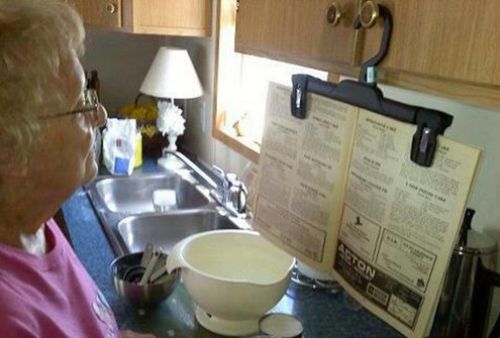
We can often find those simple modifications, those easy answers to perform a task easier, and safer. The problem is that many of us do not take the time to change our habits, make changes and implement them consistently at our busiest work areas…the kitchen, in this case. The ‘pant hangar’ keeps the recipe near eye level, there is no awkward posture to maintain and the cabinet can even be accessed quite easily, well done!


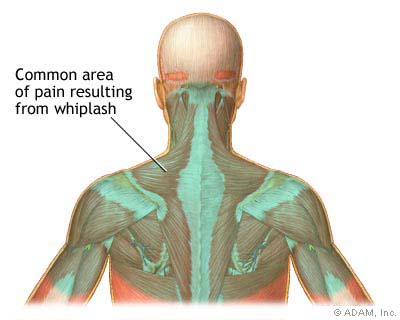
This concept always applies to those that must ‘sit for a living’, the ‘desk jockeys’ of the finance, legal, grain and media industries here in Downtown Winnipeg. Like a ‘whiplash’, those muscle aches can proliferate throughout the upper back and neck.


Such that, you must remember to adjust your computer monitor height; use some yellow pages or photocopy paper bundles. Some recent ergonomic assessments have resulted in 8-10 inches of monitor height changes to accommodate the individual’s line of sight. Your eye level should be equal to that of the curser start position, in the most frequently used software program. This position allows the eye to adjust to a variability of 2-3 inches of text/toolbar and decreases or eliminates the chronic forward head posture.

Let your human resource department or health & safety manager know that I am available for any size group education, assessments and ergonomic design.